Driveway cleaning in Teesside
Professional driveway cleaning in Teesside typically costs £3 to £6/m², so £90 to £250 for a standard drive. Block paving is cleaned with a rotary surface cleaner, then re-sanded once dry; oil stains and heavy moss are treated first. Optional sealing slows weeds and algae returning.
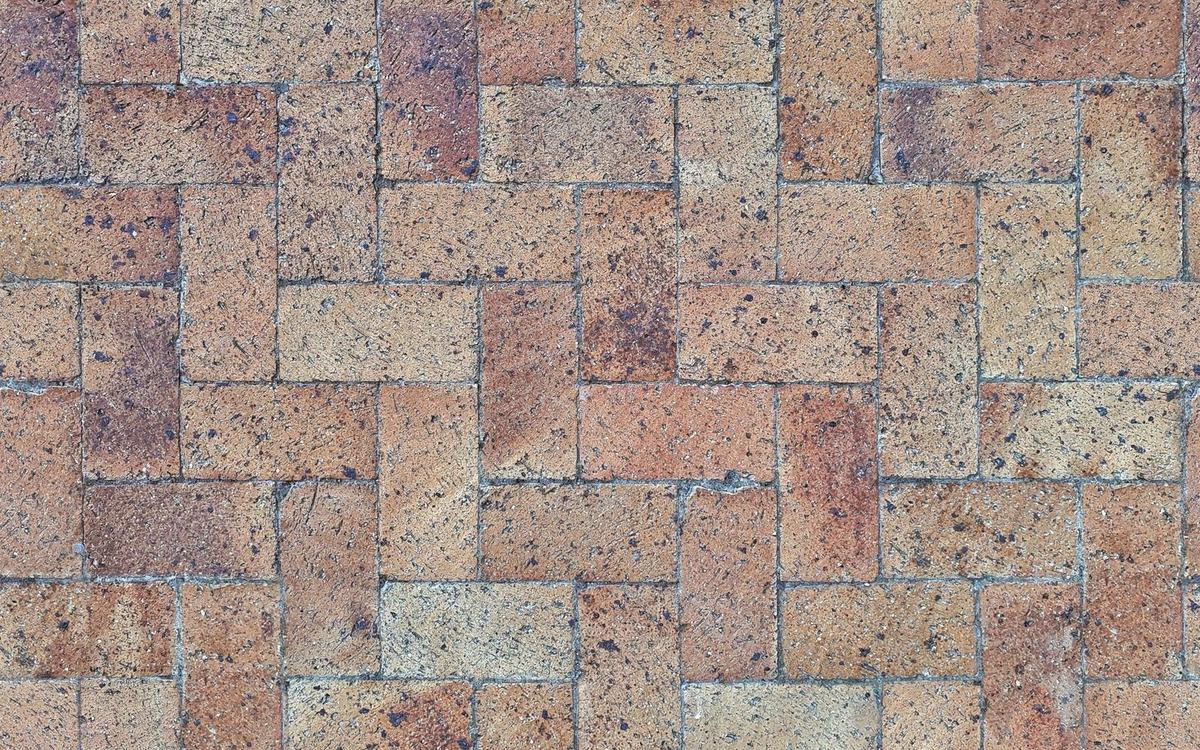
What a proper driveway clean involves
A professional driveway clean is more than a domestic jet wash and a free afternoon. The job starts with pre-treatment: moss and algae killer on organic growth, degreaser on oil spots, and black spot treatment where lichen has taken hold. The surface is then cleaned with a rotary flat surface cleaner, a spinning bar inside a hood that cleans evenly at the right height, rather than a lance that leaves zebra stripes across the paving.
Edging, steps and the pavement outside your boundary are rinsed down last, and runoff is directed away from drains where chemical has been used. On block paving the final stage happens once the surface is dry: re-sanding the joints with kiln-dried sand, brushed in and compacted so the blocks lock together again.
Prices by surface
Across Teesside, expect £3 to £6/m² for most drives, with a typical two-car drive of 45 to 55m² quoting between £90 and £250. Concrete and block paving sit at the lower end; pattern imprinted concrete needs more care around the surface sealer; tarmac is cleaned at lower pressure to avoid scarring the binder. Heavy oil contamination, decades of growth, or full black spot treatment push a quote towards the top of the range.
The north-facing drive problem
Ask any Teesside contractor which drives need cleaning most and the answer is north-facing ones. The 1930s semis of Acklam, Linthorpe and Hartburn commonly have drives that barely see direct sun, so moss and algae colonise the joints within a couple of winters of the last clean. Damp air off the North Sea makes it worse the closer you get to Redcar and the coast. A biocide treatment after washing keeps regrowth back for a year or more; skipping it means the green returns within months.
Oil stains, rust and tyre marks
Oil stains are treated with a poultice or degreaser before washing, and the honest expectation is improvement rather than invisibility on old stains: oil that has soaked into porous block paving for years can shadow even after treatment. Fresh stains respond far better, so the sooner they are treated the better. Rust marks from leaking radiators or garden furniture and black tyre scuffs usually lift fully with the right chemical.
Sealing: when it is worth it
After cleaning and re-sanding, block paving can be sealed with an acrylic or polyurethane sealer. Sealing hardens the jointing sand, slows weed and moss regrowth, and makes future oil stains easier to treat. It adds roughly £5 to £8/m² and needs two dry days, so it is a spring-to-autumn job on Teesside. On tarmac and concrete it is rarely worth the money; on a newly cleaned block-paved drive in a shaded spot it pays for itself in postponed cleans.
Areas We Cover
- Pressure washing in Middlesbrough
- Pressure washing in Stockton
- Pressure washing in Billingham
- Pressure washing in Redcar
- Pressure washing in Saltburn
- Pressure washing in Guisborough
- Pressure washing in Hartlepool
- Pressure washing in Yarm
- Pressure washing in Eaglescliffe
- Pressure washing in Ingleby Barwick
- Pressure washing in Thornaby