Decking cleaning in Teesside
Decking cleaning in Teesside costs £4 to £7/m² using low-pressure, wood-safe washing with an algicide treatment. High pressure scars timber and shortens its life. Slippery green algae, the main hazard on Teesside decks, is killed at the root, and re-oiling or staining can be quoted with the clean.
The slippery deck problem
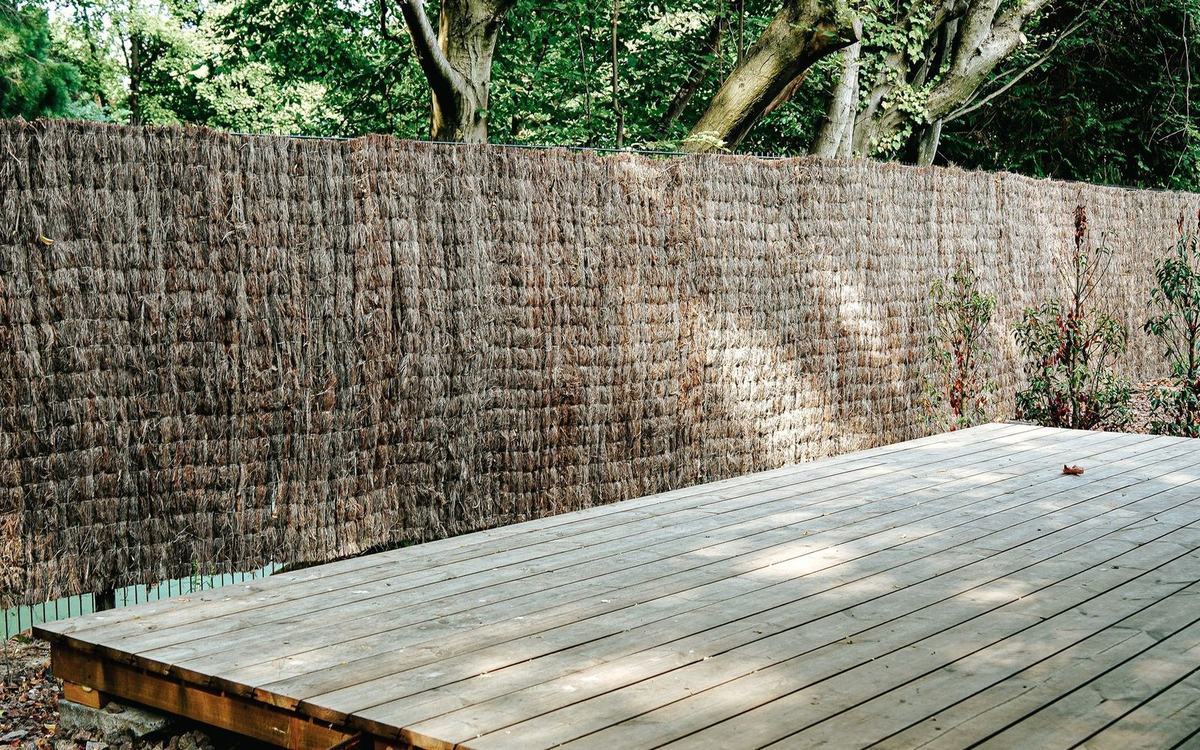
Teesside's damp winters turn neglected decking into an ice rink. The green film that makes boards treacherous is algae, and it establishes fastest on shaded decks, under trees, and on the north-facing gardens common behind the town's 1930s semis. Left for a couple of winters, algae works into the grain and the surface starts to break down, holding yet more moisture. A deck cleaned and treated every year or two lasts decades; one left slippery and grey can rot through at the joists in half that time.
Why high pressure ruins timber
A pressure lance on full power tears the soft spring wood out from between the harder growth rings, leaving a ridged, furred surface. That roughened grain drinks up water, so the deck stays wetter, rots faster and grows algae sooner. It also raises splinters. Professional decking cleaning uses low pressure, a wide fan jet, and chemical doing the work: an algicide or dedicated deck cleaner is applied first, given time to kill the growth, then rinsed gently along the grain. Composite decking gets a similar soft approach, since its brushed surface scars easily and most manufacturers warn against pressure washing outright.
Prices and what is included
Expect £4 to £7/m² across Teesside, so a typical 15 to 25m² deck quotes between £70 and £180. That covers the algicide treatment, the wash and a rinse-down of surrounding paving. Re-oiling or staining afterwards is the natural add-on, roughly £8 to £15/m² including materials, and the timing matters: the timber needs to dry properly first, which on Teesside means booking the finish coat for a dry spell, not the day after the wash.
Softwood, hardwood and composite
Softwood decking, the ridged boards on most Teesside gardens, responds best but weathers fastest, and benefits most from re-oiling. Hardwood such as balau or iroko silvers naturally and cleans beautifully, but wants a gentler touch and a dedicated hardwood oil. Composite does not rot, but its surface holds algae in the texture and needs the algicide treatment more than the water. Whichever you have, mention the board type in the quote form so the right products come on the van.
Timing the job
Spring is the classic moment, clearing winter algae before the deck gets used. Autumn is the smarter booking for slippery decks, killing the growth before the wet season rather than after it. If the deck is lethal underfoot now, do not wait for the calendar: algicide works in any frost-free weather.
Areas We Cover
- Pressure washing in Middlesbrough
- Pressure washing in Stockton
- Pressure washing in Billingham
- Pressure washing in Redcar
- Pressure washing in Saltburn
- Pressure washing in Guisborough
- Pressure washing in Hartlepool
- Pressure washing in Yarm
- Pressure washing in Eaglescliffe
- Pressure washing in Ingleby Barwick
- Pressure washing in Thornaby